
 SPRÅK
SPRÅK 

Hem / Nybörjare / Branschnyheter / Aluminum Casting Suppliers: Integrated Die Casting and CNC Machining for Quality
The most reliable aluminum casting suppliers for industrial buyers are those that control the entire production chain from mold making through casting to precision machining. This integrated approach prevents dimensional defects, shortens lead times and lowers per-piece cost. A supplier that operates die casting, low pressure casting and CNC under one roof can resolve tolerance issues faster because engineering teams share the same shop floor. According to the company profile of Ningbo Beilun Youyuan Machinery Manufacturing Co., Ltd., this manufacturer has operated since 2010 with approximately 10 million RMB in fixed assets and annual output near 30 million RMB, backed by die casting, CNC and smart machining equipment.
Capabilities That Separate Trusted Aluminum Casting Suppliers
When buyers compare aluminum casting suppliers, the first difference appears in equipment coverage. High-pressure die casting dominates mass production of thin-walled parts, while low pressure casting suits components requiring better mechanical properties and tighter porosity control. A supplier offering both can recommend the correct process for each application instead of forcing everything through one method.
Material performance data from ASM International standards shows that die cast parts typically achieve a tensile strength of 180-310 MPa depending on alloy selection. For A380 aluminum alloy, one of the most common alloys in die casting, yield strength averages around 159 MPa while elongation reaches approximately 3.5%. Low pressure casting with alloys such as A356 can deliver yield strengths above 200 MPa with elongation around 5-8% after heat treatment. These differences directly affect performance under load-bearing conditions. The aluminum die casting advantages include high production rates and excellent dimensional consistency, but the right process choice depends on engineering requirements, not convenience.
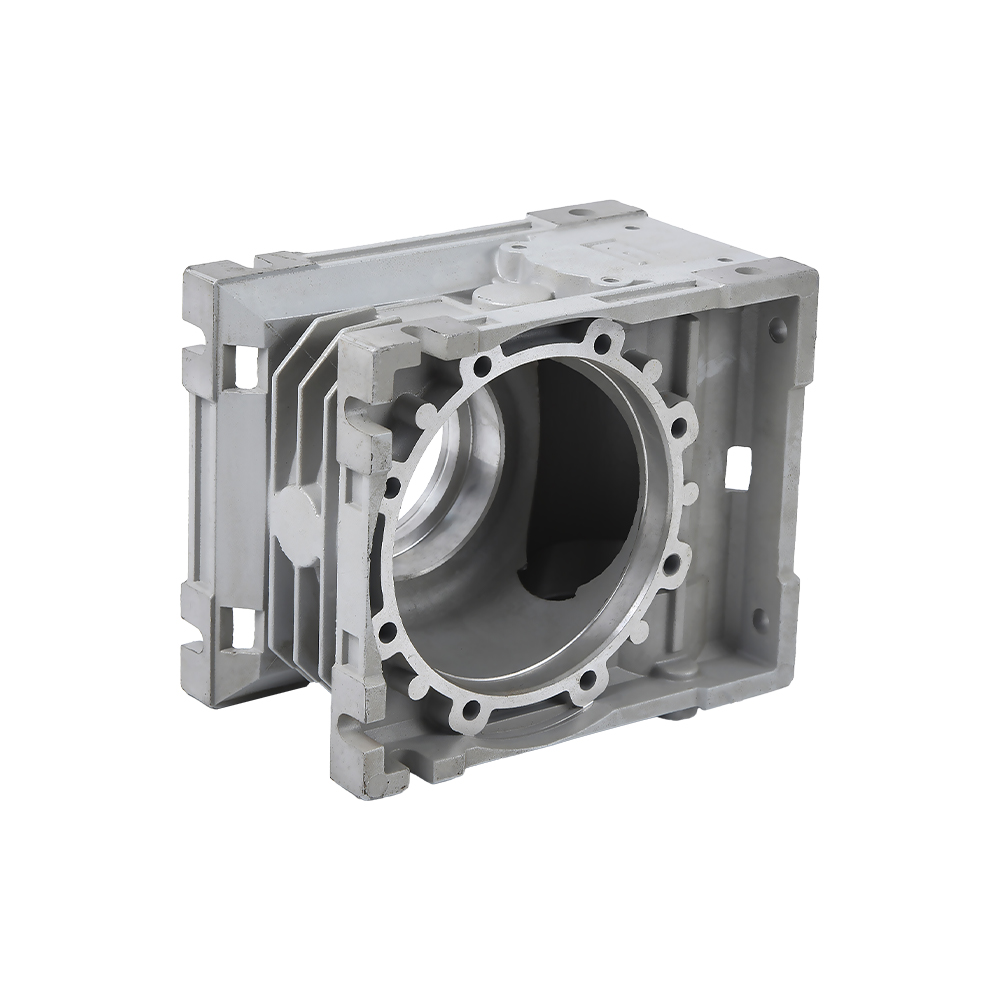 Aluminum Die Casting Gearbox Housing for Automotive ApplicationsThis die-cast gearbox housing offers high dimensional consistency and strength, ideal for complex internal geometries. With integrated machining and pressure testing, it ensures reliable performance for demanding automotive use.View Product →
Take a gearbox housing as an example. This component requires complex internal ribs, accurate bearing seats and tight wall thickness uniformity. High-pressure die casting produces the intricate geometry efficiently, but the casting then needs CNC milling and drilling to achieve final tolerances. Suppliers with integrated machining capabilities can deliver the finished housing in a single flow, reducing handling errors from outsourcing. A vertically integrated partner can also perform pressure testing of the housing directly after machining, which avoids shipping defective parts to your facility.
Beyond equipment range, verification capability matters. Some suppliers offer in-house mold design through CAD modeling, allowing them to simulate flow, temperature and solidification before steel is even cut. This proactive approach reduces tooling iterations and shortens time-to-production. Buyers should ask for a supplier's shop floor metrics, including tonnage range of die casting machines (from 180T to 2500T) and the number of CNC machining centers, because these numbers directly reflect production capacity and flexibility for both prototype and bulk orders.
Dimensional Tolerances You Should Expect from Qualified Suppliers
Qualified aluminum casting suppliers follow industry standard tolerance classifications. Per ISO 8062-3, die casting tolerances typically fall between CT5 and CT8. For a nominal size of 50 mm, a CT6 linear tolerance is approximately ±0.55 mm, while CT8 can be ±1.3 mm. Machined features, on the other hand, can achieve ±0.02 mm to ±0.05 mm depending on the CNC equipment and fixture quality. This tolerance gap explains why the majority of precision aluminum castings in the automotive and hydraulic industries undergo secondary machining.
| Feature | As-Cast Tolerance | After Machining |
|---|---|---|
| Linear dimension (50 mm) | ±0.55 mm to ±1.3 mm | ±0.02 mm to ±0.05 mm |
| Flatness (per 100 mm) | 0.3 mm | 0.02 mm |
| Wall thickness (2-4 mm typical) | ±0.3 mm to ±0.5 mm | ±0.05 mm |
| Surface roughness (Ra) | 3.2-6.3 μm | 0.8-1.6 μm |
Surface finish requirements vary by application. Hydraulic valve bodies demand smoother surfaces to maintain sealing performance, while structural brackets may tolerate rougher as-cast surfaces. A reliable supplier will ask for surface finish specifications during the quoting phase rather than leaving them undefined.
When evaluating inspection data, ask for actual CMM reports from recent production runs. A supplier that shares dimensional measurement data with confidence demonstrates a quality culture. Buyers should verify that the CMM equipment is calibrated regularly and that measurement reports reference the drawing datums correctly. This prevents disputes over interpretation of tolerances later in the production cycle.
Cost Structure: What Drives the Price of Aluminum Cast Parts
Understanding cost drivers helps buyers negotiate fairly and avoid surprises. Tooling cost is usually the largest one-time expense for aluminum castings. For a moderate-complexity component like a gearbox housing, tools may cost between 30,000 and 80,000 RMB depending on mold size, slide mechanisms and cooling channel design. Low-volume orders must amortize this tooling cost across fewer parts, which significantly raises per-piece pricing.
| Annual Quantity | Approx. Relative Cost per Piece | Best Cost Scenario |
|---|---|---|
| 500 pcs | 3.5x baseline | Prototyping or low-volume niche |
| 2,000 pcs | 2.0x baseline | Small-batch repair parts |
| 10,000 pcs | 1.0x baseline | Standard production run |
| 50,000 pcs | 0.6x baseline | High-volume OEM supply |
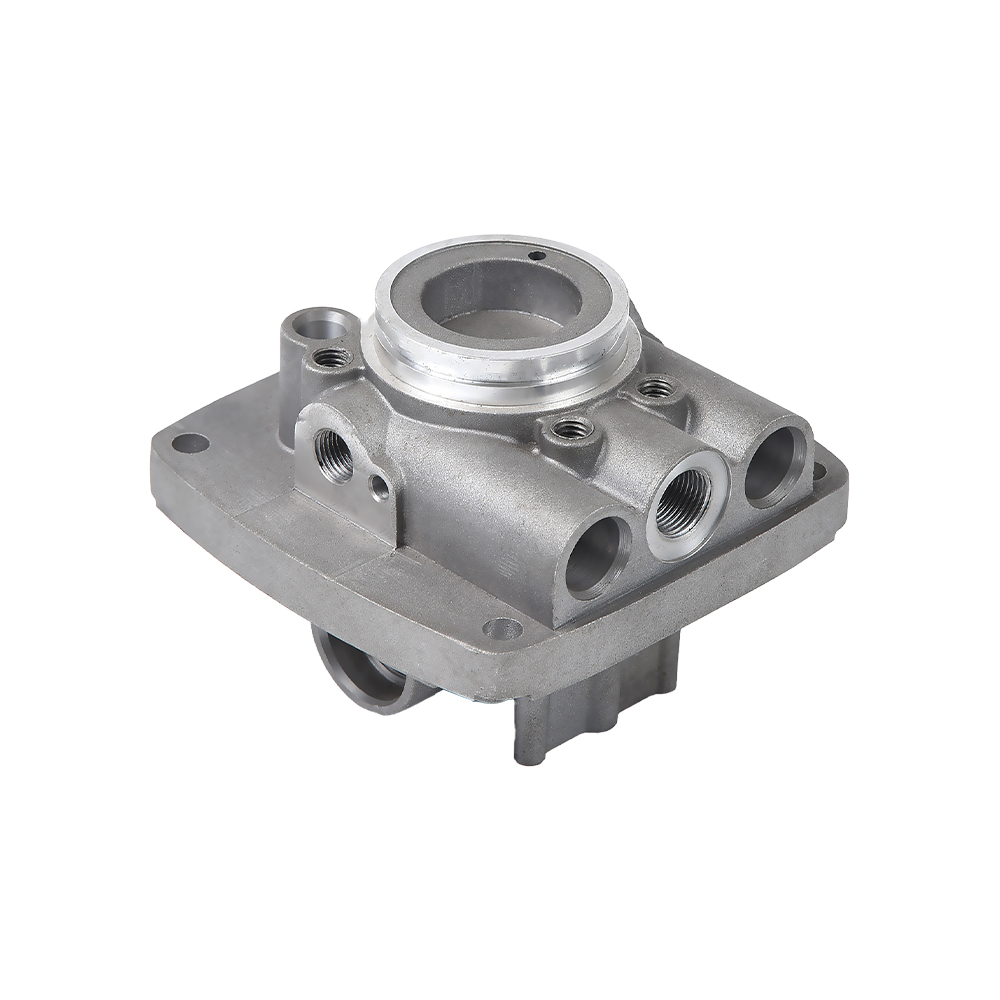 Aluminum Die Casting Hydraulic Valve for Cost-Effective SolutionsThis hydraulic valve leverages aluminum die casting to balance tooling costs with material properties. Suitable for applications where A380 or ADC12 alloys provide adequate performance without premium material expenses.View Product →
In addition to tooling and volume, material selection impacts cost. Aluminum alloys such as A380, ADC12 and ALSi9Cu3 are near-identical in price, but the extended mechanical properties of A356 in low pressure casting justify a 8-12% material premium for parts that require better fatigue life. Buyers should weigh whether the performance gains justify the added material cost.
Post-processing costs can surprise buyers who do not account for them upfront. Deburring, shot blasting, anodizing, powder coating and pressure testing each add to the unit cost. A quote that excludes these items may look attractive at first but will produce hidden cost increases during production. Strong aluminum casting suppliers provide transparent cost breakdowns that separate the casting cost, machining cost and surface treatment cost.
Quality Control Systems That Matter When Selecting Suppliers
Quality assurance in aluminum casting starts with the mold, not the finished part. A well-maintained tool produces repeatable dimensions and minimizes flash, porosity and shrinkage defects. Reliable suppliers implement scheduled mold maintenance, including cleaning, lubrication and dimensional checks of the tool after each production run. This preventive maintenance culture directly reduces scrap rates below 2%, which is the benchmark for mature suppliers in the automotive supply chain.
Inspection methods used by high-performing suppliers include:
- CMM verification of critical dimensions on each sample lot at the start of production
- Visual inspection for surface defects such as cold shuts, porosity and mold flash
- Dye penetrant or radiographic inspection on components with pressure-bearing requirements
- Chemical composition verification of incoming aluminum ingots to reject off-spec material
- Statistical process control on key dimensional characteristics during mass production
Aluminum casting suppliers that maintain sample approval records and first-article inspection (FAI) reports demonstrate traceability. FAI is a documentation requirement commonly used in automotive and aerospace programs. Even if your industry does not mandate FAI, requesting one reveals how organized the supplier's quality system is. Ask for the latest FAI report from a published product family and review whether all critical dimensions are captured in the measurement plan.
One commonly overlooked aspect is material handling within the supplier's facility. Aluminum alloys must be stored in dry, clean environments to prevent contamination. Moisture in molten aluminum causes hydrogen porosity, which weakens the casting's tensile strength. A supplier that follows strict melt handling protocols, including degassing and grain refinement, produces castings with fewer internal defects, which directly improves profitability by reducing downstream rejection by your own QC team.
Where Aluminum Casting Suppliers Show Real Differences: Applications
Not all aluminum casting suppliers serve every industry equally. Their experience clusters around specific part families, which translates into different process settings, tooling strategies and quality systems. Buyers in the automotive sector need suppliers with experience in high-thickness variation castings, while buyers in agricultural machinery need durability in harsh environments with dust and vibration.
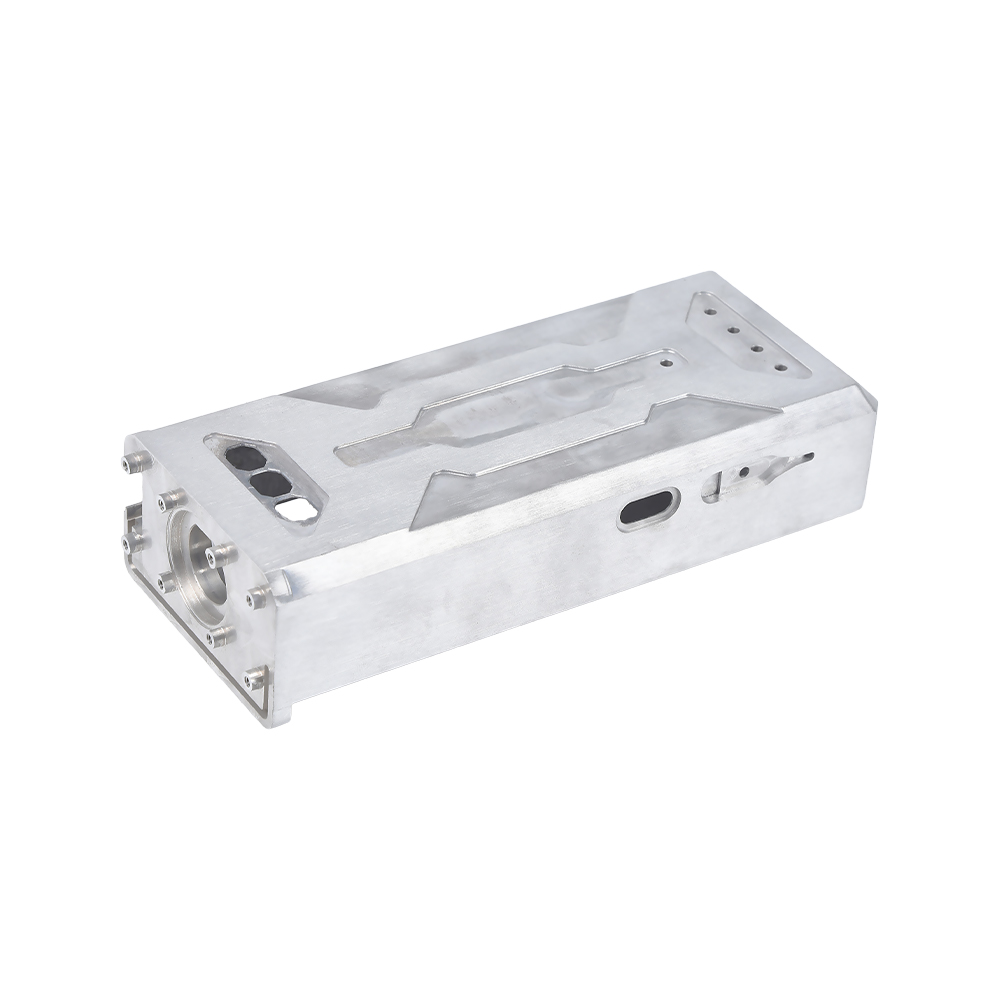 Aluminum Auto Engine Cylinder Parts for High-Pressure EnvironmentsDesigned to withstand temperatures above 180°C and pressures up to 300 kPa, these cylinder parts rely on controlled cooling and alloys like A380 or A356 for thermal stability and low porosity.View Product →
Automotive and new energy vehicle applications demand consistently low porosity, because the parts often carry pressurized fluids such as oil and coolant. An engine cylinder part, for example, must withstand temperatures above 180 degrees Celsius and internal pressures reaching 300 kPa during operation. These conditions require both material quality and careful casting process design. A380 and A356 alloys provide the dimensional and thermal stability for such components, but the supplier's ability to control cooling rates during solidification is what decides whether the final casting passes pressure testing.
Motorcycle and small engine components, including crankcases and transmission housings, benefit from the lightweight properties of aluminum. A motorcycle crankcase made from high-pressure die casting reduces the overall weight by 40-50% compared to cast iron, which enhances acceleration and reduces fuel consumption by roughly 3-5%. This weight reduction directly boosts consumer satisfaction with the vehicle performance.
Agricultural equipment such as rice transplanters and micro tillers rely on aluminum castings for transmission housings. The severe operating environment includes dust, mud and continuous vibration. Suppliers experienced in agricultural parts understand that castings must resist wear and corrosion. The company profile of Ningbo Beilun Youyuan Machinery Manufacturing Co., Ltd. mentions cases involving Huawei base station lift cylinders, agricultural rice transplanter parts and brushless car motor components, reflecting a broad application portfolio across communication infrastructure, agriculture and automotive motors.
How to Evaluate Aluminum Casting Suppliers: A Practical Checklist
Evaluating suppliers before placing a contract saves months of troubleshooting. Use the following checklist when comparing aluminum casting suppliers for your next project. Prioritize the items that most directly affect your product quality and timeline.
- Full-process capability. Confirm that the supplier performs die casting, CNC machining and surface treatment in-house. This reduces outsourcing risk and improves communication.
- Equipment specifications. Ask for the tonnage of die casting machines, number of CNC centers and their positioning accuracy. A 2500T machine is necessary for large automotive structural parts, while 180-500T machines cover most smaller components.
- Quality data sharing. Request sample CMM reports and first-article inspection (FAI) documents. A supplier that shares real measurement data without hesitation signals confidence.
- Cost transparency. Require a quotation that separates tooling, casting unit cost, machining unit cost and surface treatment unit cost. This prevents hidden cost escalation.
- Response time. Track how quickly the supplier responds to RFQs and technical inquiries. A 48-hour response time indicates a professional sales and engineering team.
- Tooling maintenance record. Ask how often molds are inspected and maintained. Preventive mold maintenance directly reduces scrap rates.
- Prototype-to-production flow. Confirm the supplier has a defined process from sample approval to series production. This reduces qualification time.
- Capacity for volume spikes. Inquire about maximum installed capacity. A supplier at 90% utilization may struggle with unplanned order increases.
Before finalizing a supplier, request a quote from at least three candidates. Compare not only prices but also technical support, tooling estimates and delivery schedule. A slightly higher per-piece price may be justified by faster tooling turnaround and fewer rejected parts. Finally, reach out to the supplier directly to test their communication quality. Choose a supplier that engages proactively with your technical requirements. A good next step is to contact their team with your part drawing or general requirements to gauge initial response.
FAQ: Aluminum Casting Supplier Questions Answered
The following questions are the ones buyers frequently ask when qualifying aluminum casting suppliers. Each answer aims to provide clear, practical guidance rather than generic reassurance.
1. What is the minimum order quantity for aluminum die casting?
The minimum order quantity depends on part size and tooling complexity. For small to medium castings (under 1 kg), suppliers typically expect at least 500-1,000 pieces per run to cover setup costs. Larger parts with simple geometries may have lower minimums, while complex castings with multiple slides may require higher volumes to justify the tooling investment. Most reputable suppliers offer prototype quantities as a separate service at a higher per-piece cost.
2. How long does mold making take for aluminum castings?
A typical aluminum die casting mold requires 30 to 60 days from design approval to first sample. The timeline depends on mold complexity, number of cavities and slide mechanisms. Simple molds with no slides can be completed in 3-4 weeks, while multi-slide molds for complex parts may take 2-3 months. Skilled suppliers ask for 3D CAD files in STEP or IGES format to start the mold design immediately.
3. Can suppliers handle both prototypes and mass production?
Yes, many aluminum casting suppliers offer prototype services using either temporary molds or CNC machining from aluminum billet. The key advantage of temporary tooling is that the process settings can be validated before committing to permanent mold production. Prototype quantities of 1-50 pieces are typically produced via CNC machining, while 50-500 pieces may use soft tooling in aluminum or steel. Choose suppliers that treat prototyping as a separate service with clear cost and delivery terms.
4. What surface finishes are available for aluminum castings?
The most common finishes include anodizing (Type II or Type III), powder coating, wet painting, shot blasting and chromate conversion coating. As-cast surfaces typically range from Ra 3.2 to 6.3 μm, while machined surfaces achieve Ra 0.8 to 1.6 μm. Anodized surfaces improve corrosion resistance and can reach hardness levels around 200-500 HV depending on the alloy and anodizing type. When specifying a finish, always provide the required color, thickness and any cosmetic defect acceptance criteria.
5. How do I verify a supplier's quality capabilities before contracting?
Request measurement reports and first-article inspection documents for components similar to yours. Ask for the supplier's quality control procedures, including incoming material inspection, in-process inspection and final inspection flow. If possible, perform an on-site audit or video tour of their facility. Pay attention to how they inspect the mold, casting and machined parts. A supplier that measures critical dimensions with CMM and shares the reports demonstrates higher quality maturity than one relying on visual inspection only.
6. What are typical lead times from tooling approval to production?
After tooling approval, production lead times range from 2 to 5 weeks for the first batch, depending on the part complexity and the number of operations required. Repeat orders can often be delivered within 2-3 weeks after the tool is in production. Suppliers integrated with CNC machining can shorten lead times because they do not need to wait for an external machining vendor's schedule.
7. Do aluminum casting suppliers provide post-processing services?
Yes, established suppliers offer machining, deburring, pressure testing, surface treatment and assembly in-house. The ability to deliver finished components instead of raw castings reduces outsourcing for buyers. Some suppliers even provide component-level assembly, delivering ready-to-install units to the customer's production line. When comparing suppliers, evaluate whether their post-processing capabilities match your final assembly requirements.
8. What information should I include in an RFQ to get accurate quotes?
Include a 3D CAD file in STEP or IGES format, a 2D drawing with tolerances, annual volume estimate, surface finish requirement and any material specification such as A380 or ADC12. If heat treatment is needed, specify the required standard or performance target. Mention whether casting should be painted, anodized or shot blasted. Providing complete information helps suppliers generate accurate quotes in a single iteration, which saves weeks in the bid evaluation process.
